Luxury travel is moving beyond champagne and caviar in 2026. Wealthy globe-trotters are no longer content with standard five-star fare – they’re chasing thrills and purpose, from courtside seats at championship games to secluded jungle wellness labs. Mexico finds itself in a prime spot: if it can pivot from generic getaways to curated, authentic experiences, it could capture this lucrative new market. So what exactly are these new travel obsessions, and how can Mexico catch the wave?
The world of high-end travel is shifting focus from opulence to experience. Global tourism experts note that the luxury segment is expanding faster than mainstream tourism, and Mexico is among the destinations poised to benefit. In 2024, Mexico welcomed roughly 45 million international visitors (about 7% more than the previous year), and industry reports estimate that luxury travelers in Mexico spend an average of $800 per day. The opportunity is clear: by catering to niche passions and meaningful experiences, Mexico’s tourism industry can attract higher-spending visitors seeking more than just a pretty beach. As María Camila Castellanos – an international business expert who has worked with luxury travel brands – observes, “What will make the country a luxury tourism powerhouse won’t be just five-star hotels, but the way it designs memorable, personalized, and purposeful experiences.” In short, the new currency of luxury travel is authenticity and engagement, and Mexico has the raw ingredients to deliver.
Breaking from the Beige: Unique Over Uniform
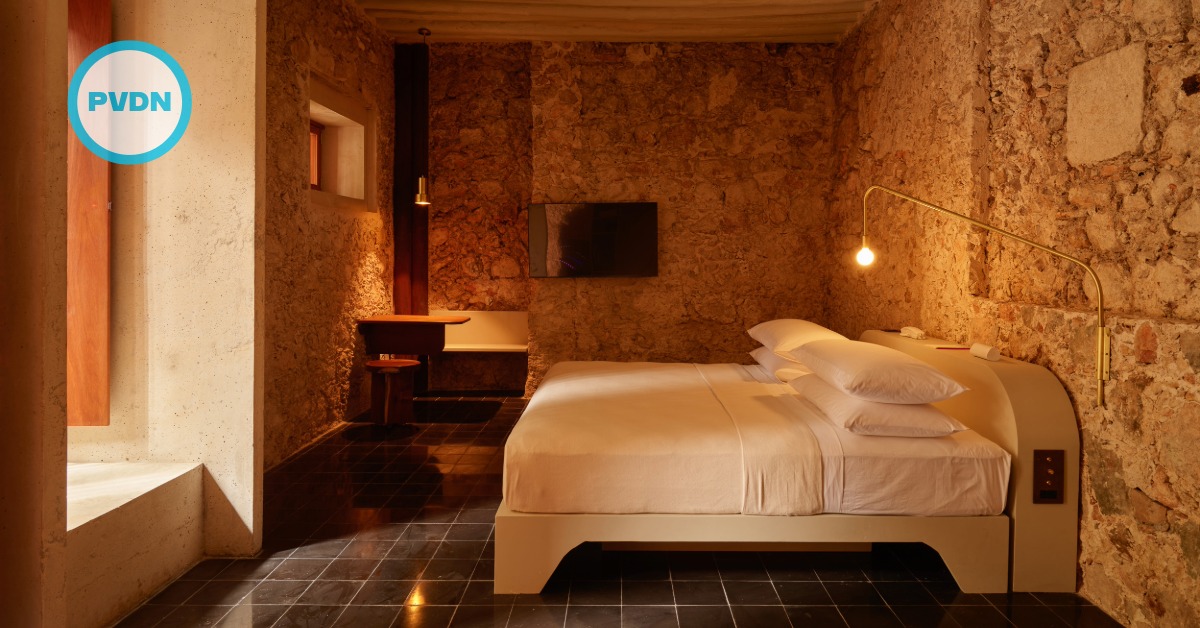
Discerning travelers are pushing back against the cookie-cutter luxury hotel formula. According to a recent luxury travel survey, 83% of upscale travelers say they can tell when a hotel is designed for mass appeal rather than true luxury. They’re tired of the “beige-ification” of hospitality – the bland sameness where every high-end lobby or suite feels the same. In response, a new generation of hotels dares to be distinctive and full of local character. Global examples range from a Berber-inspired clifftop retreat in Morocco to a cave-suite resort in Cappadocia, each offering a one-of-a-kind sense of place.
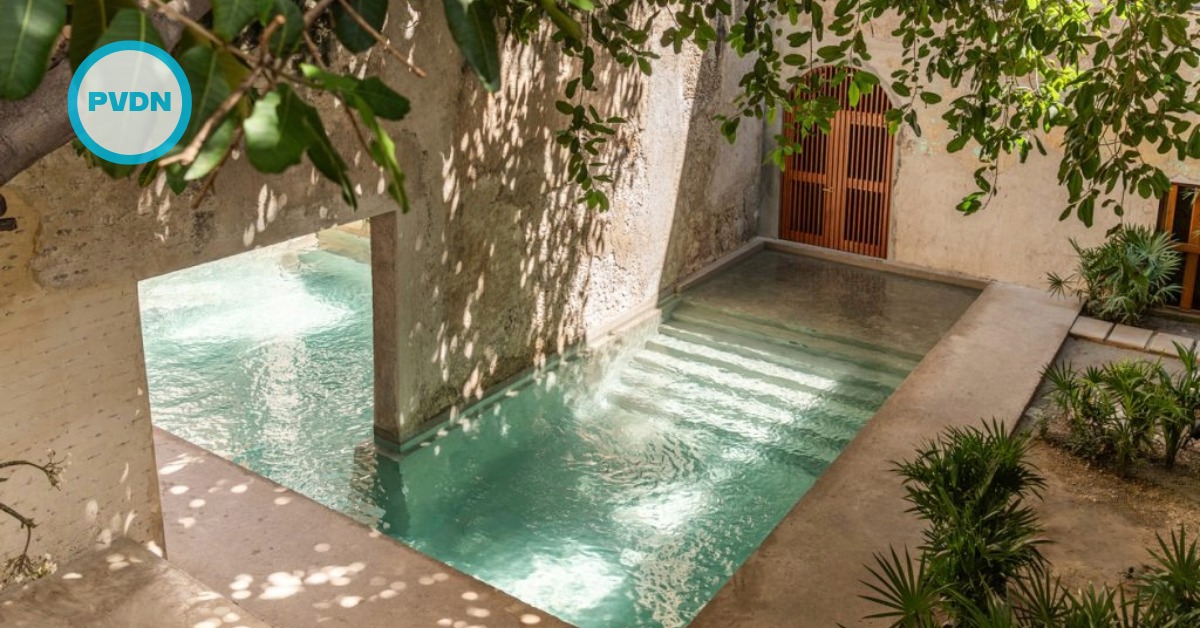
Mexico is catching on to this craving for uniqueness. The country’s boutique hotel scene, led by innovators like Grupo Habita, rejects a one-size-fits-all style. Each property is crafted around its setting and culture – for instance, the newly reopened Hotel Sevilla in Mérida blends restored colonial architecture with bold modern design, preserving century-old details like antique arches and courtyards. By embracing individuality and local heritage instead of generic luxury, Mexican destinations can stand out. Today’s affluent traveler doesn’t just want a plush room; they want soul, story, and a connection to their surroundings. Mexico’s rich cultures and landscapes give it a natural advantage in breaking from the beige and offering luxury with personality.
Boutique Seacationing: Luxury at Sea, Reimagined
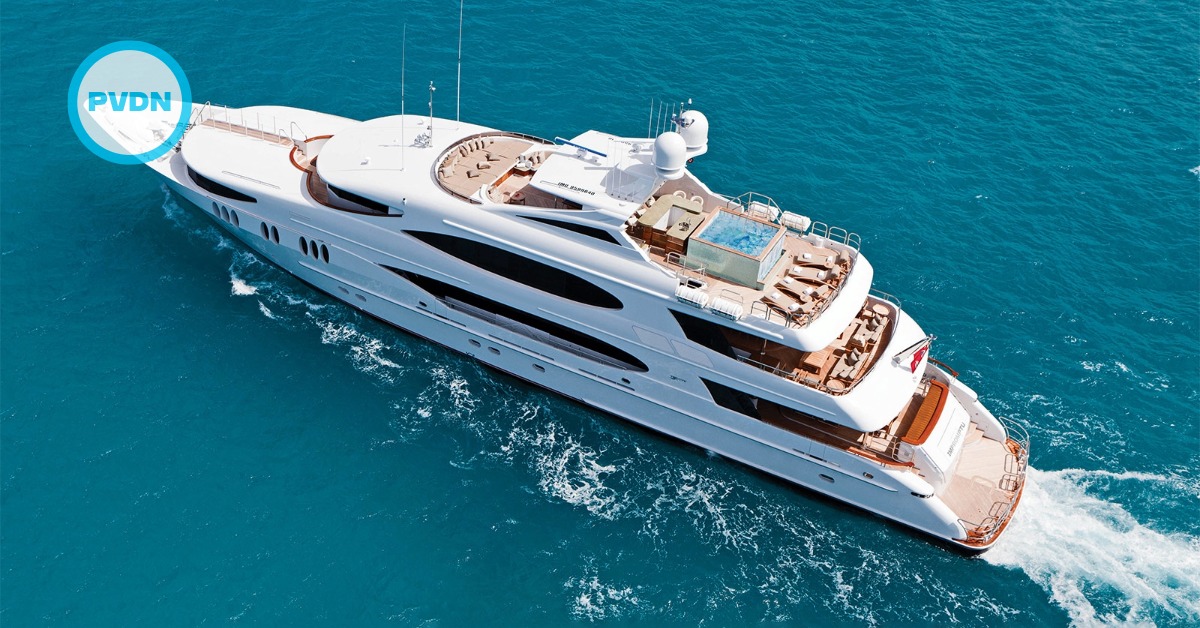
Cruising is getting a luxe makeover on an intimate scale. Forget the giant megaships packed with thousands of passengers – the trend now is “boutique seacationing,” where smaller, high-end vessels deliver a more curated experience at sea. Exclusive yacht-like cruises and riverboats are investing in five-star amenities, from gourmet dining to personal butlers, but with far fewer guests on board. This means more space, privacy, and immersion in each destination along the route. Around the world, new entrants such as high-end expedition ships and luxury hotel brands launching cruise lines are redefining what it means to vacation at sea.
For Mexico, this opens a fresh opportunity. With its extensive coasts and cruise ports, Mexico can welcome this new wave of upscale cruisers by tailoring port excursions and services to match. Imagine a small luxury cruise docking in the Sea of Cortez or along the Yucatán Peninsula – instead of mass-market bus tours, guests could get private guided access to Mayan ruins at off-peak hours or bespoke snorkeling trips in hidden coves. Mexican Riviera destinations like Los Cabos and Costa Maya are already seeing more interest from luxury yachts and boutique cruise lines. By catering to these travelers – perhaps with gourmet beachside receptions or personalized cultural tours – Mexico can turn a cruise stop into a highlight of a luxe journey. The key is recognizing that these seafaring guests seek exclusivity and authenticity, just as they would on land.
Pawsome Adventures: Pets Get the VIP Treatment
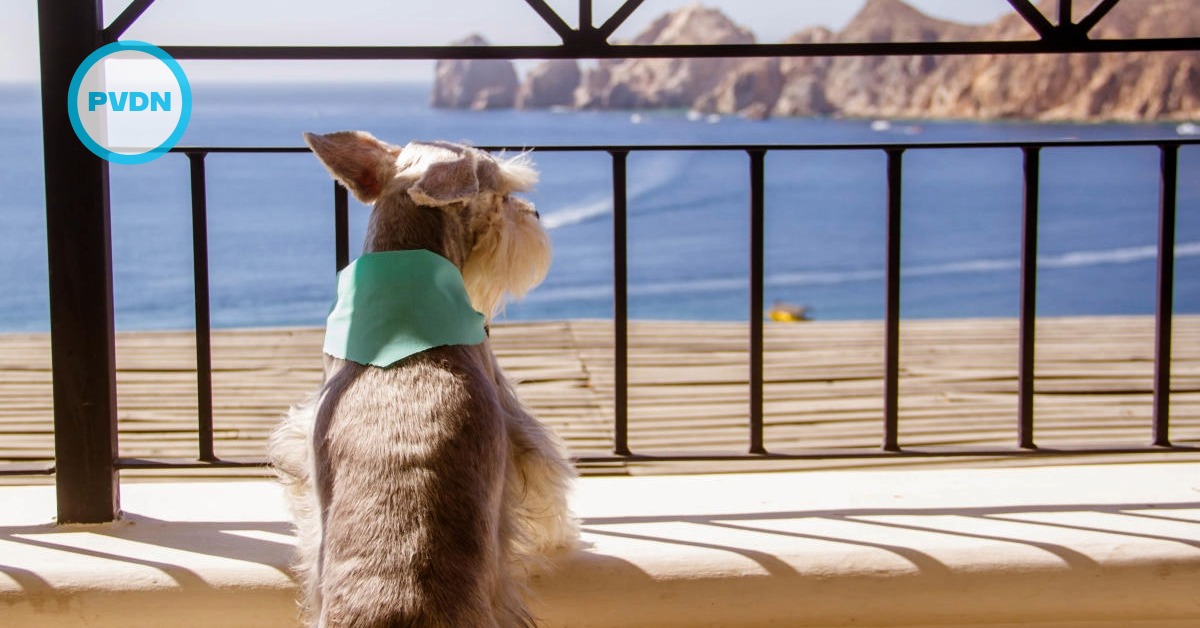
Another sign of luxury travel’s experiential shift is the rise of VIP treatment for four-legged companions. High-end travelers increasingly want to bring their pets on vacation – and spoil them just as much as themselves. In response, top hotels are transforming pet travel from a headache into a pleasure. It starts with basics like plush dog beds and in-room dining menus for cats and dogs, and extends to over-the-top amenities you’d expect for human guests. Some luxury resorts abroad now offer full-service pet spas and “fur-baby” concierges; one famed New York hotel even collaborated with an Italian fashion house to create a signature canine fragrance.
In Mexico, upscale properties have eagerly jumped on this trend of pampering pets. Resorts such as Las Ventanas al Paraíso in Los Cabos have devised special menus, massage therapies, and even a dedicated “dog butler” service to ensure furry guests enjoy their stay. In Mexico City and beach destinations alike, it’s becoming common to see designer water bowls on terraces and welcome toys on arrival for pets. Beyond being a cute perk, this reflects a deeper shift: luxury travelers see their pets as part of the family and expect destinations to accommodate that bond. By rolling out the red carpet for animals – say, offering pet-friendly private tours or coordinating with upscale pet-sitting and veterinary services – Mexico can make it easier for affluent visitors to choose an extended stay. After all, nothing says “luxury” like knowing every member of your family, even the furry ones, is being catered to in style.
Sportcations: Luxury Meets the Sporting World
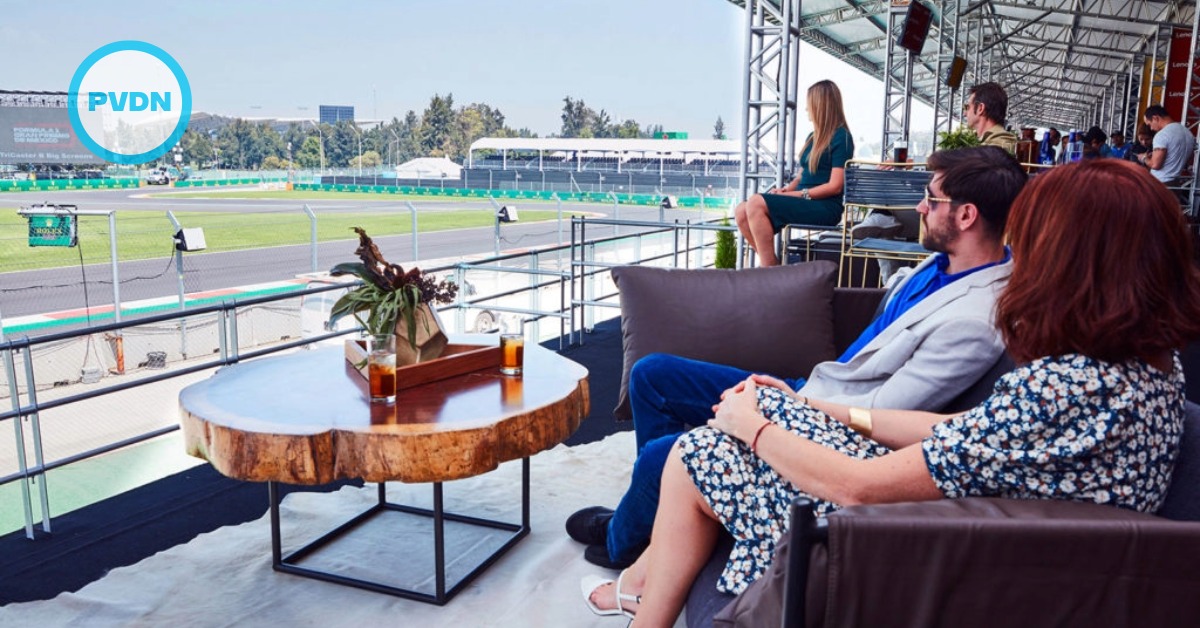
Big-ticket sporting events and adrenaline-fueled adventures are fast becoming centerpieces of luxury travel itineraries. From the Monaco Grand Prix to the World Cup final, wealthy fans are jetting off to be part of iconic sports moments – and they’re expecting high-end hospitality to match the high-energy thrills. Five-star hotels and resorts have caught on, curating packages that pair prime event access with luxury extras. Imagine flying in for a Formula 1 weekend and having your hotel arrange private trackside passes, gourmet dining with a racing legend, and a post-race spa recovery session. This is the kind of seamless sportcation experience now redefining luxury travel.
Mexico is uniquely positioned to capitalize on this trend. In the summer of 2026, the eyes of the world will be on Mexico as it co-hosts the FIFA World Cup. That means an influx of soccer aficionados, many of them high-net-worth individuals, descending on cities like Mexico City and Guadalajara for matches. It’s a golden chance for local luxury hotels to shine – think tailored services such as personal translators, security details, or exclusive meet-and-greets with football stars for VIP guests.
Even outside of mega-events, Mexico has plenty to lure sport-minded travelers with deep pockets. The Mexico City Grand Prix has become one of Formula 1’s most popular races, drawing international visitors who often extend their trip into a full vacation. There’s also a growing market for luxury adventure sports in Mexico’s diverse terrains – private heli-skiing outings in the volcanoes, deep-sea fishing tournaments in Baja’s waters, or pro-am golf events at coastal resorts. By packaging adrenaline and elegance together, Mexico can offer these travelers more than just a game; it can offer an unforgettable experience that combines their passion for sport with the indulgences of a holiday.
Cognitive Wellness: Science and Serenity
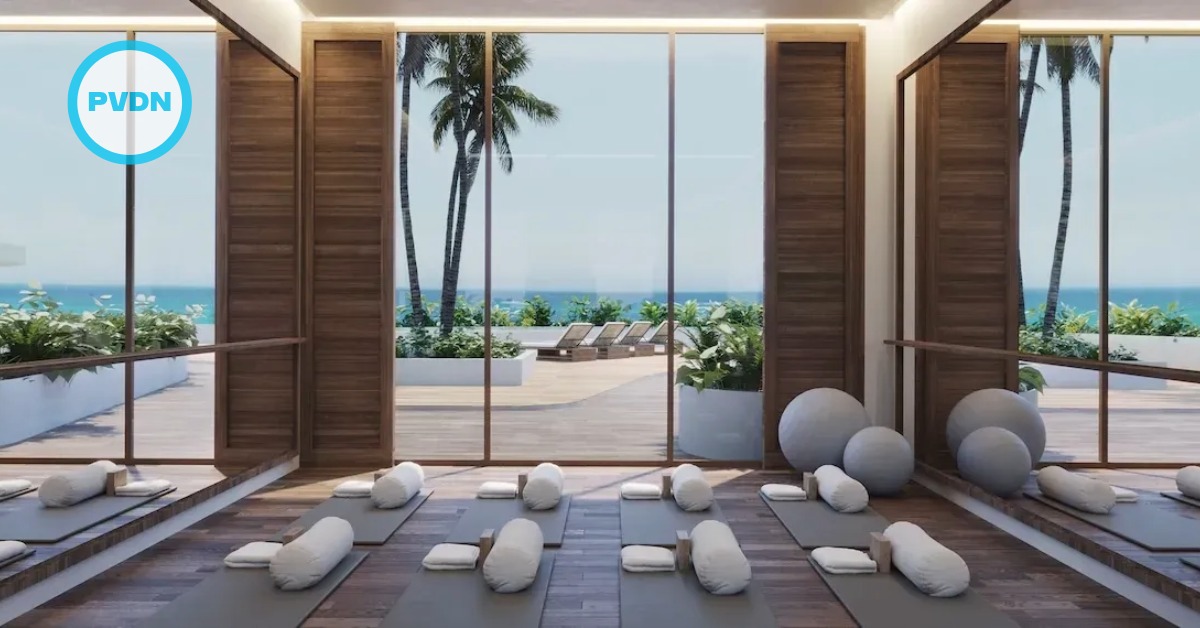
Wellness travel has long been a pillar of luxury tourism, but it’s evolving far beyond massages and mud baths. The buzzword now is “cognitive wellness” – using science and cutting-edge medicine to supercharge relaxation and health. In high-end retreats across the globe, you’ll find DNA analysis to personalize nutrition plans, IV vitamin drips to boost immunity, sleep labs that fine-tune your rest, and high-tech meditation pods, all alongside traditional holistic practices. Essentially, luxury travelers are seeking not just pampering, but lasting well-being benefits backed by science. This trend speaks to a more health-conscious, longevity-focused mindset: a spa weekend that might actually improve your biomarkers or mental acuity.
Mexico, already known for its wellness resorts and spiritual retreats, is embracing this new frontier of health tourism. The Mexican Caribbean recently became home to the region’s first SHA Wellness Clinic, a renowned European wellness brand that chose Mexico for its expansion into the Americas. At this state-of-the-art sanctuary near Cancun, guests undergo bespoke programs that might include hyperbaric oxygen therapy, genetic testing, and sessions with medical specialists – all in a luxury setting by a tranquil beach.
Meanwhile, established Mexican resorts are incorporating more science-backed offerings too. Resorts in destinations like Tulum and Los Cabos are complementing yoga and Temazcal sweat-lodge ceremonies with modern biohacking tools such as infrared saunas and cryotherapy chambers. For Mexico’s tourism industry, the message is clear: by blending its rich heritage of traditional healing with cutting-edge wellness technology, it can attract travelers seeking to improve their minds and bodies. These visitors are willing to invest significantly in their health journeys, making cognitive wellness a high-value segment where Mexico can excel.
Heritage Hotels: History with a Modern Twist
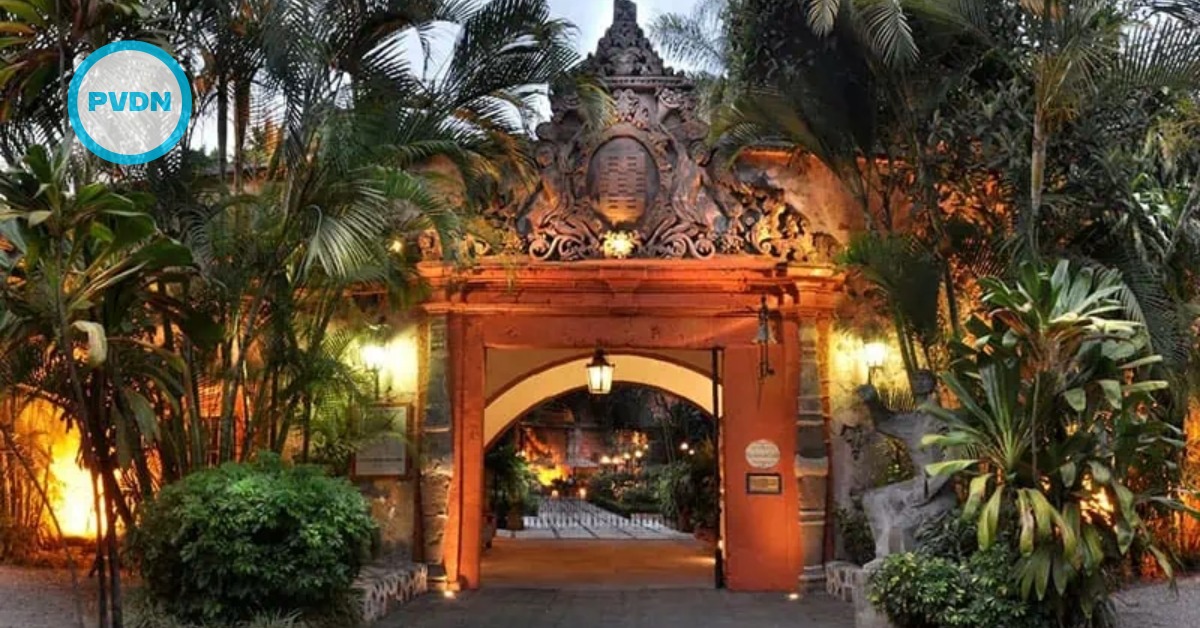
For today’s luxury explorers, travel isn’t only about the new – it’s also about connecting with the past. Heritage hotels are surging in popularity, proving that a dose of history can be a major selling point for high-end stays. More than 90% of affluent travelers say they want historical or cultural elements woven into their vacations. In practice, this might mean sleeping in an 18th-century palace-turned-boutique hotel or dining at a restaurant that was once a colonial courtyard. Around the world, many anticipated luxury hotel openings are actually restorations of historic buildings, expertly fusing old-world charm with modern comforts. This trend taps into a desire for authenticity: it’s one thing to visit a museum or ruins, but quite another to live a piece of that history firsthand (albeit with plush bedding and a spa).
Mexico, with its centuries of architecture and vibrant history, is perfectly placed to ride this wave. The country already boasts numerous high-end properties set in heritage buildings – from former haciendas in the Yucatán, where guests can wander among restored plantation walls and cenote gardens, to Mexico City’s downtown mansions reborn as design-forward hotels. When a hotel retains original stonework, antique tiles, or a storied name, it creates an ambiance money can’t easily buy – that feeling of stepping into a time capsule. Take San Miguel de Allende, for example, where luxury inns operate out of Spanish colonial houses on cobblestoned lanes, or Puebla, where convents have been converted into chic stays.
International brands are also noticing Mexico’s heritage appeal: some are investing in revamping historical landmarks into new hotels. By supporting preservation and storytelling, Mexico can differentiate its luxury accommodations. Travelers will come away not only impressed by the service but also enriched by a sense of place and history, which often resonates more than any infinity pool view.
Nature’s Healing Power: The New Wellness Frontier
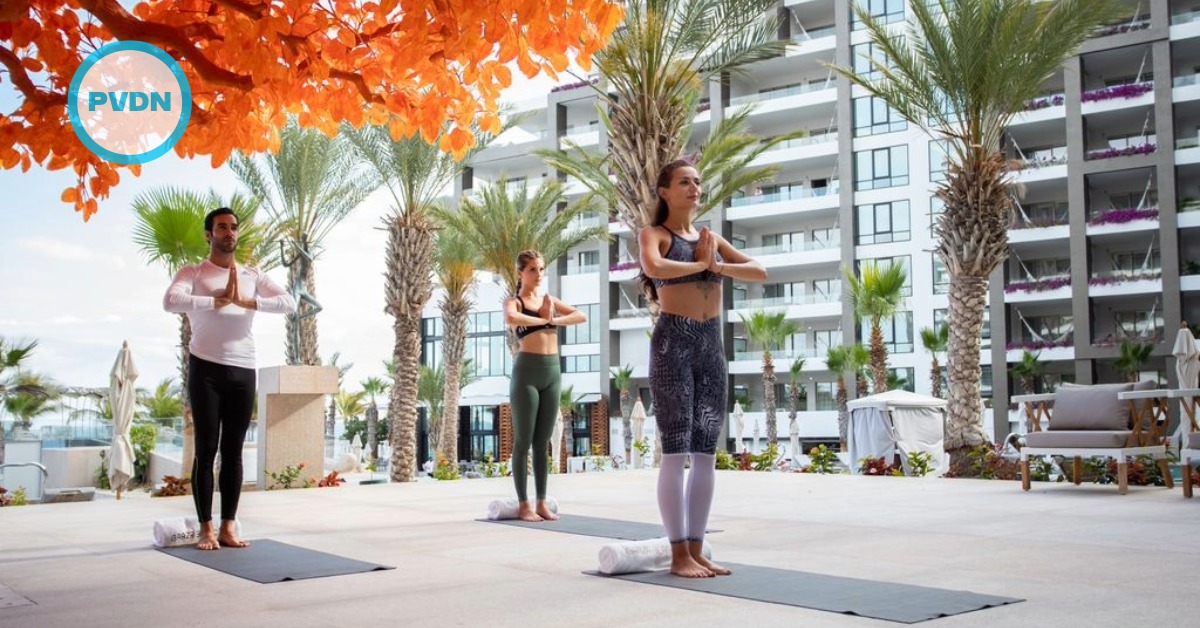
High-end travelers are seeking rejuvenation not just in plush spas, but outdoors in the wild. The healing power of nature has become a focus of luxury wellness. Think sunrise yoga sessions on a cliff, forest-bathing walks through ancient woodlands, or open-air hydrotherapy under waterfalls. Upscale resorts worldwide are incorporating nature-based experiences that go beyond pretty scenery – they’re intentional, guided encounters with the environment meant to restore balance and peace. This back-to-nature movement is a counterbalance to our high-tech lives, and even the wealthiest clients are craving it. In fact, it’s often those glued to screens and boardrooms who yearn most to unplug under starlight or meditate to the sound of waves.
Mexico’s diverse landscapes – from tropical jungles and serene beaches to mountain forests – make it a paradise for this trend. Some Mexican resorts have already made the outdoors their central spa. In Puerto Vallarta, for instance, one boutique hotel invites guests on a “Nature’s Elements” tour that starts with walking barefoot on warm earth in a botanical garden and ends with quiet reflection by the Pacific. In the Riviera Maya, wellness retreats incorporate Mayan rituals using local herbs and ocean water, conducted in open-air settings where jungle birds provide the soundtrack. Even urban luxury hotels in Mexico City are creating green oases, such as private garden yoga classes or mindfulness walks in nearby parks for stressed executives. By leveraging its natural beauty, Mexico can offer restorative experiences that no amount of high-end gadgetry can replicate. Whether it’s a silent hike at dawn in the Yucatán or a seaside fire ceremony in Baja, these moments in nature resonate deeply with travelers looking to heal, destress, and find inspiration. And importantly, they add another layer of authenticity to Mexico’s luxury tourism appeal – because you can’t fake a crimson Caribbean sunset or the hush of a sacred cenote.
Crafting Mexico’s Luxury Future
Across all of these trends – from sports-fueled trips to science-based wellness – one thread ties them together: the luxury traveler’s desire for deeper experiences. Mexico stands at the intersection of this global shift with a tremendous advantage: few places can offer such a tapestry of culture, adventure, and natural beauty in one country. The challenge now is to weave those threads into products and services that meet the expectations of the most discerning guests. It’s about redesigning what Mexican tourism sells, moving beyond the traditional “fly-and-flop” beach vacation toward itineraries that might include a private art tour in Oaxaca, a gastronomic journey through Michelin-starred kitchens in Mexico City, or an eco-chic glamping expedition in the Sierra Madre.
Crucially, it’s also about collaboration and quality. As Castellanos emphasizes, “Luxury markets aren’t won by volume, but by intelligence, creativity, and impact.” Mexico’s tourism stakeholders – from boutique hotel owners to large resort chains and tour operators – will need to work together, invest in training and innovation, and maintain a coherent narrative that positions Mexico as a place of authentic, once-in-a-lifetime experiences. The payoff could be substantial. By appealing to high-spend travelers who value meaning over mere indulgence, Mexico can increase tourism revenue without necessarily increasing crowd numbers, leading to more sustainable growth. In the end, the goal is for Mexico to not just follow luxury travel trends but to set them, leveraging its unique spirit. The next time an affluent traveler thinks about where to find something truly special – be it the thrill of sport, a path to wellness, or a step back in time – Mexico could be the first destination that comes to mind.